
Cultivating Peace
Peace in Chinese culture, for example, often means requiring others to be the same as oneself, whereas biblical peace means being able to live with people who are different.
Peace in Chinese culture, for example, often means requiring others to be the same as oneself, whereas biblical peace means being able to live with people who are different.

In a context where public space is restricted and church institutionalization is still taking shape, the “community of virtue” reminds the Chinese house church that public theology is not only about how the church speaks to the world, but also about whether the church itself lives out a life of peace, justice, humility, and mutual service.
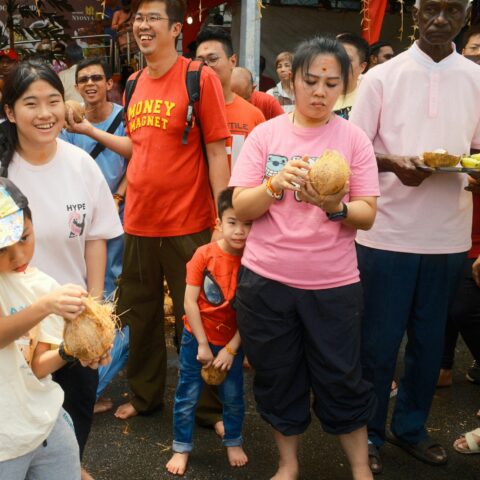
Can the Malaysian Chinese Church shift from a community primarily concerned with its own survival to one that participates in the holistic mission of God and seeks the peace of this land?

Like all theology, public theology begins not with issues, but with the knowledge of God.

The public witness of the church is not to win political power or cultural hegemony in this “competition of gods.” Rather, it is to imitate Christ, seeking the peace of the city in exile, living out embodied love in the virtual, and witnessing to the eternal kingdom in suffering.

A red bridge in China spanning a river in a lush green forest area.

By looking not only at the church in China itself but also to Christian communities in the global Chinese diaspora, these scholars offer both cautionary tales as well as hopeful visions of what it means to be a witness to the “public God.”

The thought patterns formed by long-term, deeply embedded atheistic education and scientism remain a major epistemological threshold that Chinese diaspora Christians must cross in evangelism, as well as a stronghold that apologetics must address.
In the era of new media, every Christian is not only a user of media products but also a creator and distributor of content.

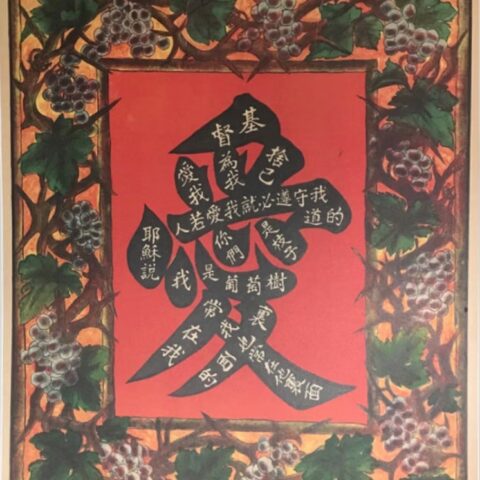
God is glorified as Christ’s followers become disciples, showing through their fruit—their true identity in him. The command here is not to bear fruit, but to abide.
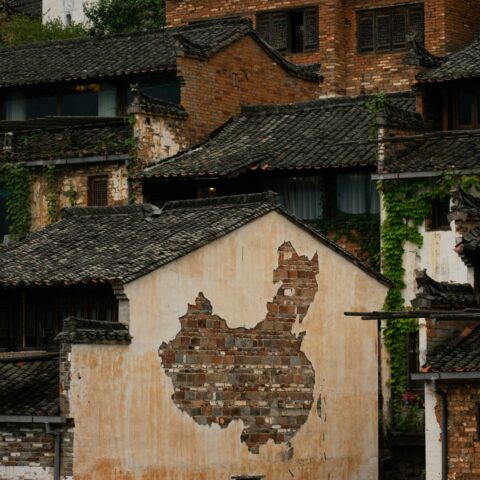
In some ways, the challenge the older generation faced is the same as ours. If you are asked the three questions this report raises, what would be your answers in the 21st century?

The Chinese diaspora in Europe is transitioning from being a “mission field” (the recipient of gospel activity) to a burgeoning “mission force” (the agent of missional change).